The Background
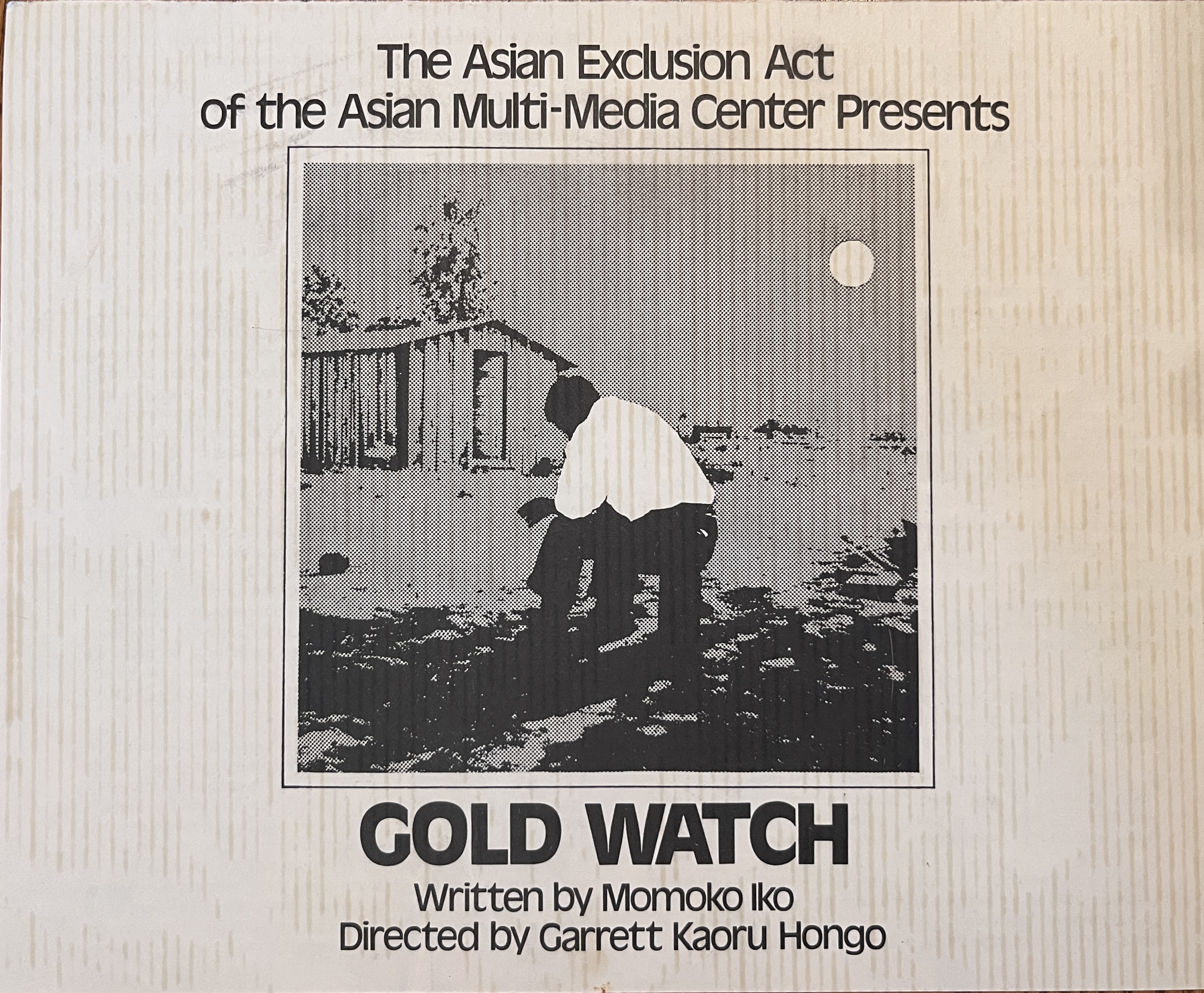
In 1977, a small theater collective in Seattle's Chinatown–International District staged a play that few would forget. Gold Watch, written by Momoko Iko and directed by Garrett Kaoru Hongo, was the founding production of the Asian Exclusion Act (AEA) — the collective that would become Northwest Asian American Theatre. One of the earliest Asian American plays produced on a Seattle stage, it told the story of a Japanese American family facing forced removal in the months after Pearl Harbor.
Fifty years later, the original cast and creative team are coming back together.
One of the first plays to break the silence on Japanese American incarceration
Set in Eastern Washington's Yakima Valley, Gold Watch centers on Masu Murakami — an immigrant farmer who built a life from the land, only to watch it threatened by rising fear and government-ordered incarceration. Playwright Momoko Iko (1940–2020), born in Wapato and herself incarcerated at Heart Mountain at age two, drew directly from her community's experience. Thought to be the first play written by an Asian American woman produced in the continental United States, it is one of the first dramas to realistically examine the trauma of Executive Order 9066. The play was both a mirror and a memorial.
Its significance reaches well beyond the stage. When excerpted in Aiiieeeee!: An Anthology of Asian-American Writers (1974), it helped define the sensibilities of a generation of Asian American writing — and aired nationally on PBS in 1976, bringing these hidden histories into living rooms across the country. Fifty years on, as questions of forced removal and the treatment of immigrant communities resurface in American life, the story Momoko Iko told feels urgently unfinished.
Original Publicity Photos
Film negatives by Steve Suzuki — original publicity photographs from the 1977 production of Gold Watch, previously unseen until 2026. Additional photographs courtesy of the Goto family.
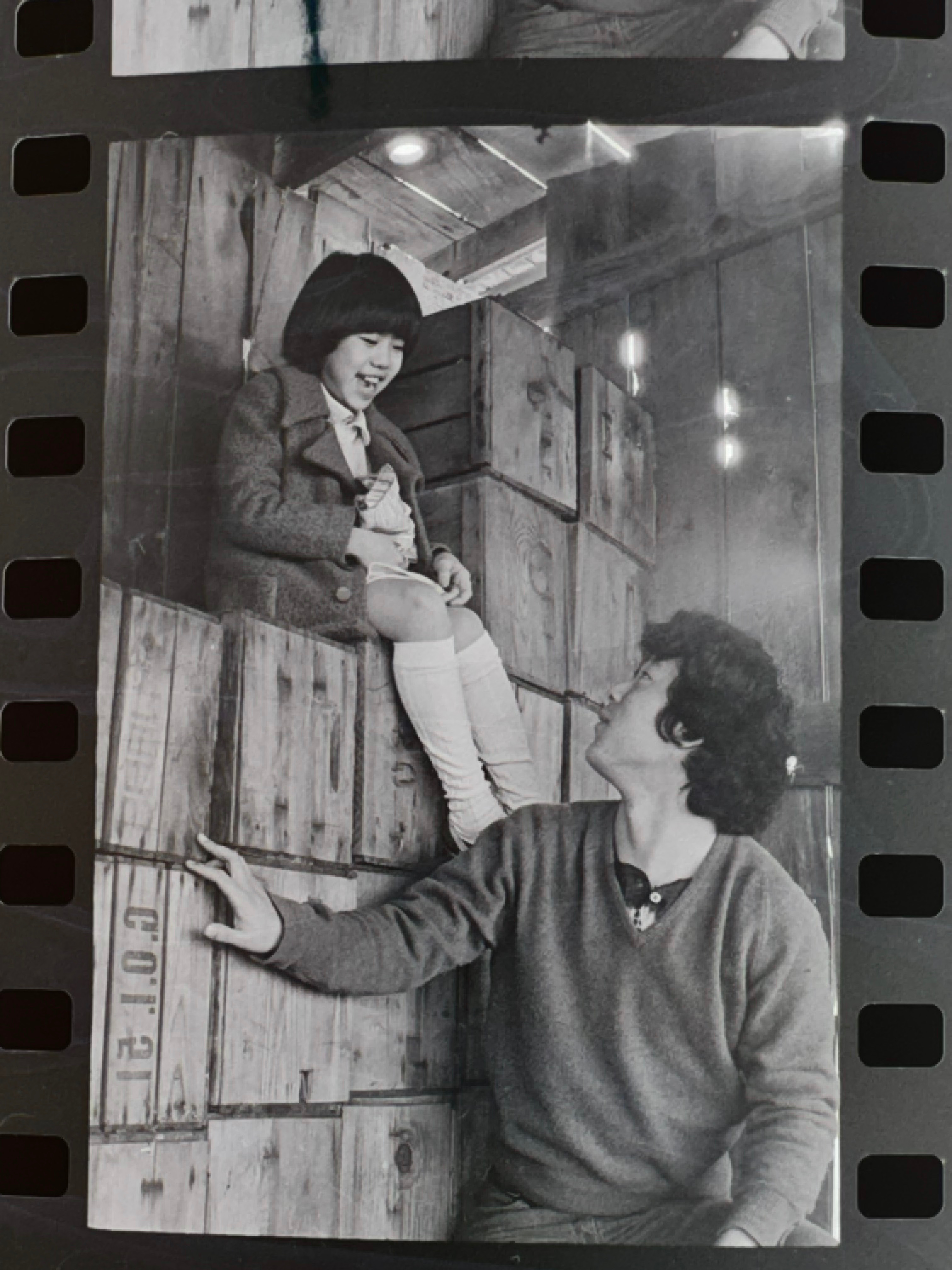
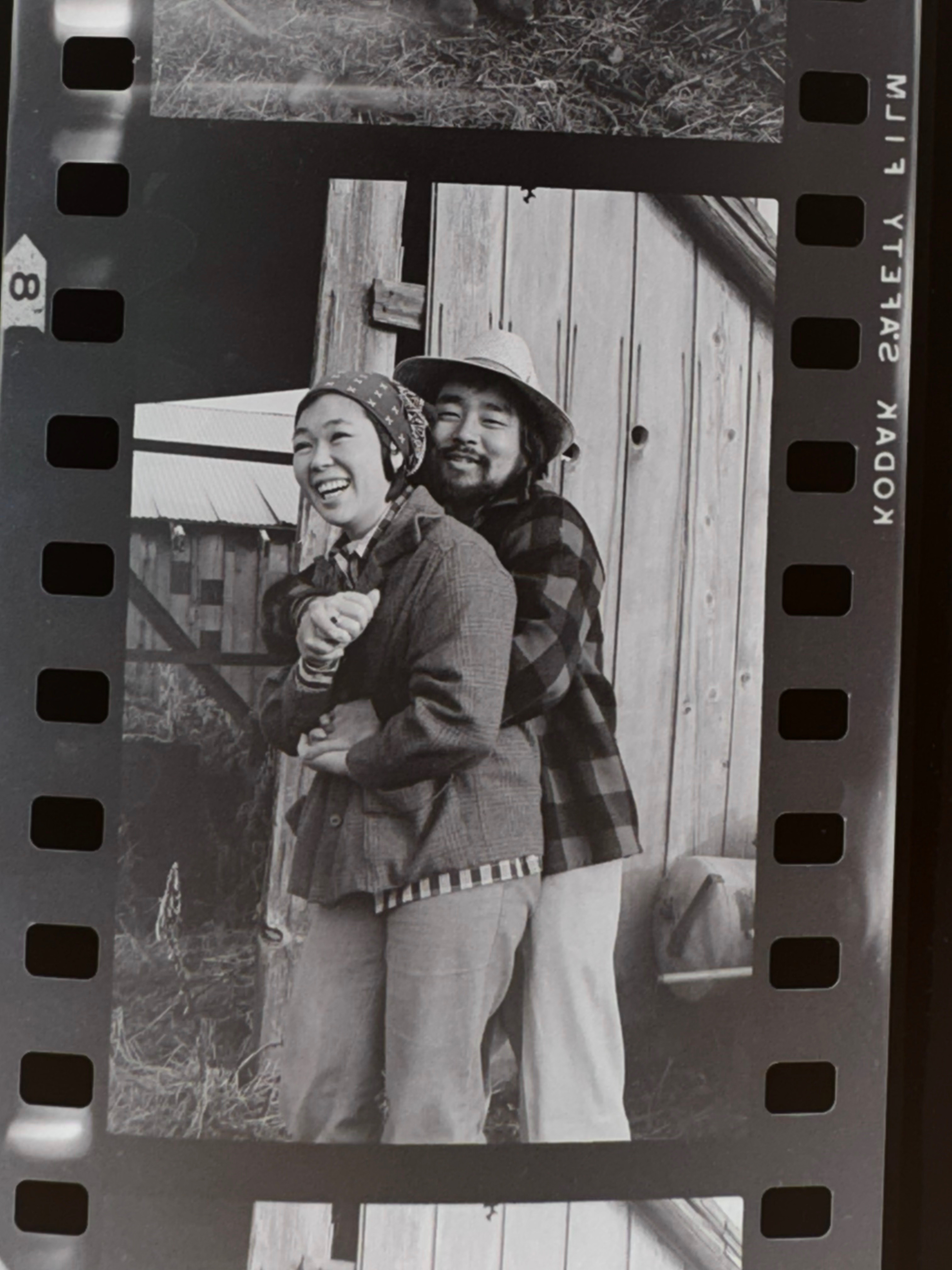
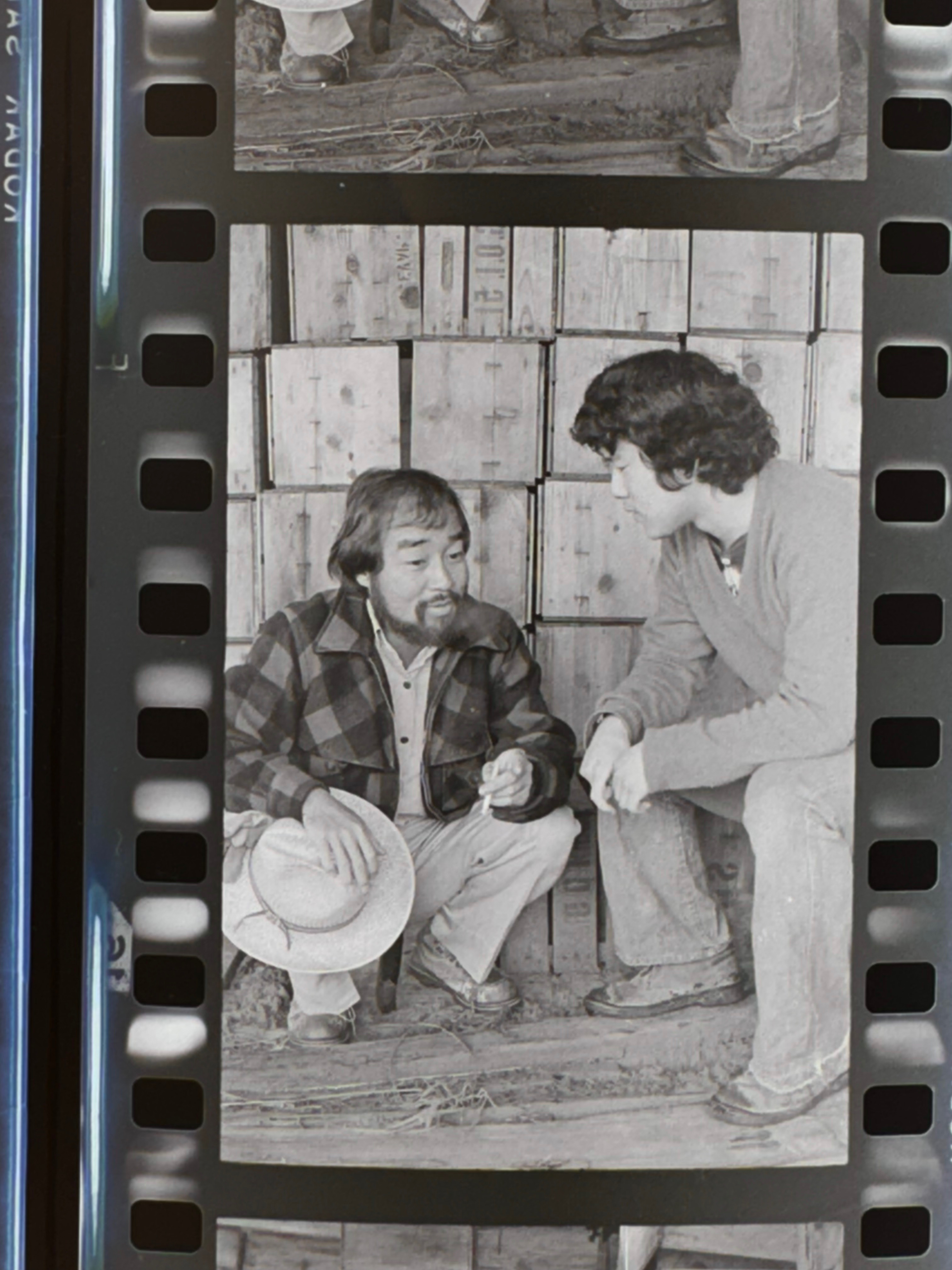
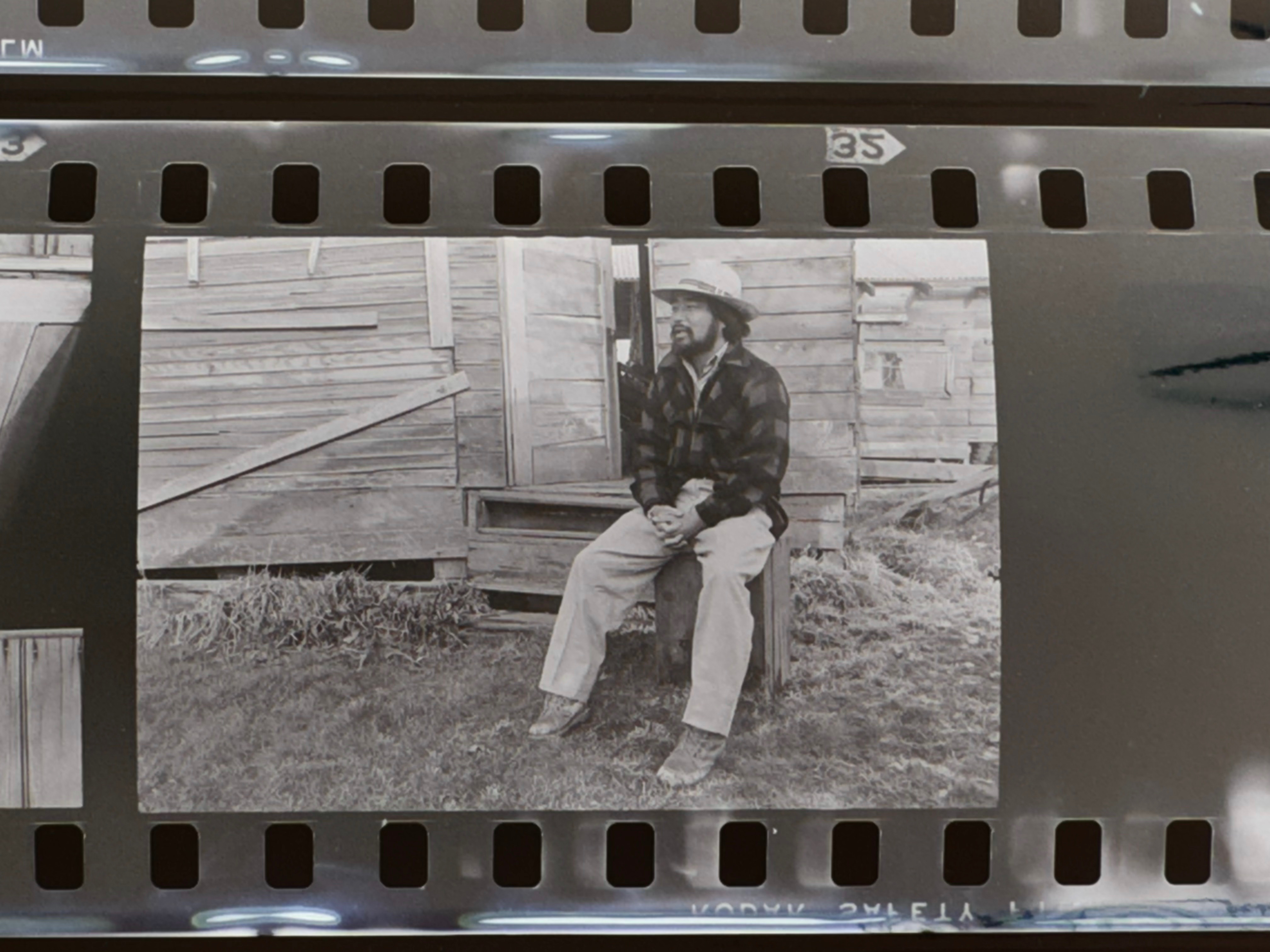
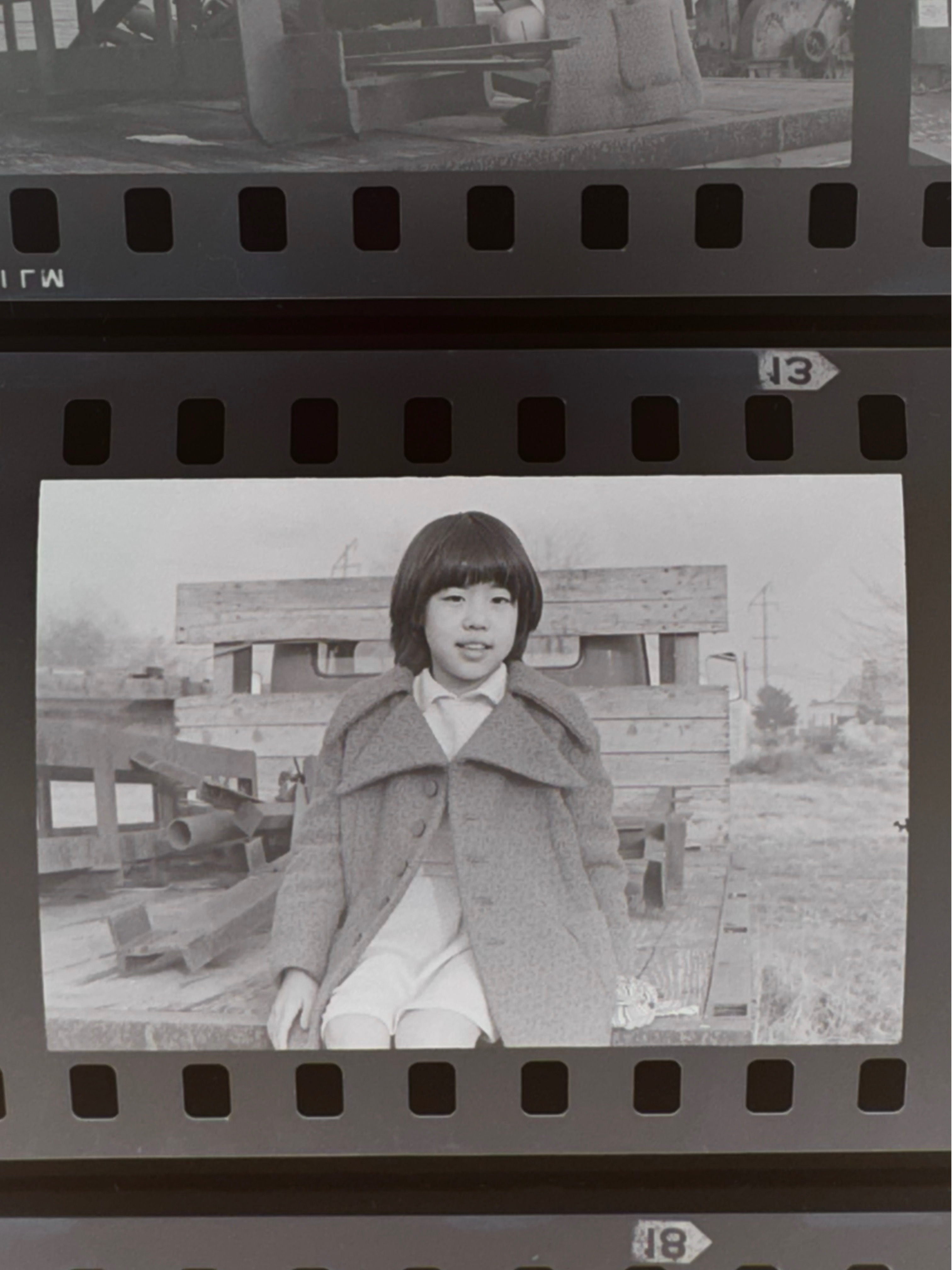
Stephen Sumida, Bea Kiyohara, Ken Narasaki, and Kelly Goto — in character as the Murakami family — photographed on location outside Seattle by Steve Suzuki, 1977. These images remained unseen for nearly fifty years.
Why This Matters
Seattle Theater History
The AEA's production of Gold Watch was the founding act of what became Northwest Asian American Theatre — one of the most significant Asian American theater companies in the country, and a cornerstone of Seattle's Chinatown–International District cultural community.
Asian American Arts
At a time when Asian American stories were virtually absent from American stages, this production gave voice to a hidden history and launched careers that would go on to shape Asian American theater, literature, film, scholarship, and civic life across the Pacific Northwest and beyond.
Washington State Legacy
The Japanese American farming communities of Eastern Washington — the Yakima Valley, the Columbia Basin — are central to the history of this state. Gold Watch honors that legacy and asks what it means to remember honestly, at a moment when the questions it raised feel newly urgent.
The original cast & crew. Reunited at the historic Nippon Kan Theatre.
Date & Time
3:00 – 5:00 PM
Venue
Nippon Kan Theatre
Historic Japanese American venue · International District, Seattle
The Documentary
The evening includes a showing of a new documentary — created and directed by Derek Edamura, produced by Kelly Goto — tracing the story of the production, its people, and its enduring significance.
Currently Confirmed in Attendance
- Garrett Hongo, Director · Poet & Professor
- Frank Abe, Stage Manager · Filmmaker & Activist
- Bea Kiyohara, Kimiko · Educator & Cultural Advocate
- Stephen Sumida, Masu · Scholar, University of Washington
- Ken Narasaki, Tadao · Playwright & Actor
- Amy Hill, Setsuko · Actor & Arts Advocate
- Vicki Toyohara, Townsperson · Jurist & Community Leader
- Judi Nihei, Townsperson · Director & Writer
- Kelly Goto, Chieko · Author & Entrepreneur
The Documentary
We are currently in production on a documentary that follows this story — the play, the people, and why it matters now. We're documenting archival discoveries, conversations with the original cast and crew, and the road to May 2027. Follow along as the story unfolds.
Stay in the loop
Enter your email for project and event updates. We promise not to spam.
Watch this story unfold
Archival discoveries, conversations, and the road to May 2027 — documented in real time on Instagram.
Press, sponsorship & event inquiries
For media inquiries, sponsorship opportunities, or event partnerships, please reach out directly.